How Technology Is Reshaping Modern Entertainment Centres
May 12, 2026
A few years ago, technology in entertainment spaces mostly meant arcade machines lined against a wall or a simulator tucked into a corner. Today, technology sits at the centre of the experience itself. Modern entertainment venues are beginning to feel less like static spaces and more like living ecosystems that respond, evolve, and adapt to the people inside them.
This shift is becoming increasingly visible across FEC centers in India, where visitors now expect far more than standalone attractions. Audiences today are shaped by gaming culture, short form content, streaming platforms, and highly interactive digital environments. Naturally, their expectations from physical entertainment have changed too.
The biggest transformation is happening in how people participate inside these spaces. Earlier, entertainment was mostly observational. Today, visitors want to compete, collaborate, unlock levels, track scores, and physically interact with attractions. In many ways, modern entertainment spaces are beginning to borrow the psychology of video games.
This can already be seen in the rise of:
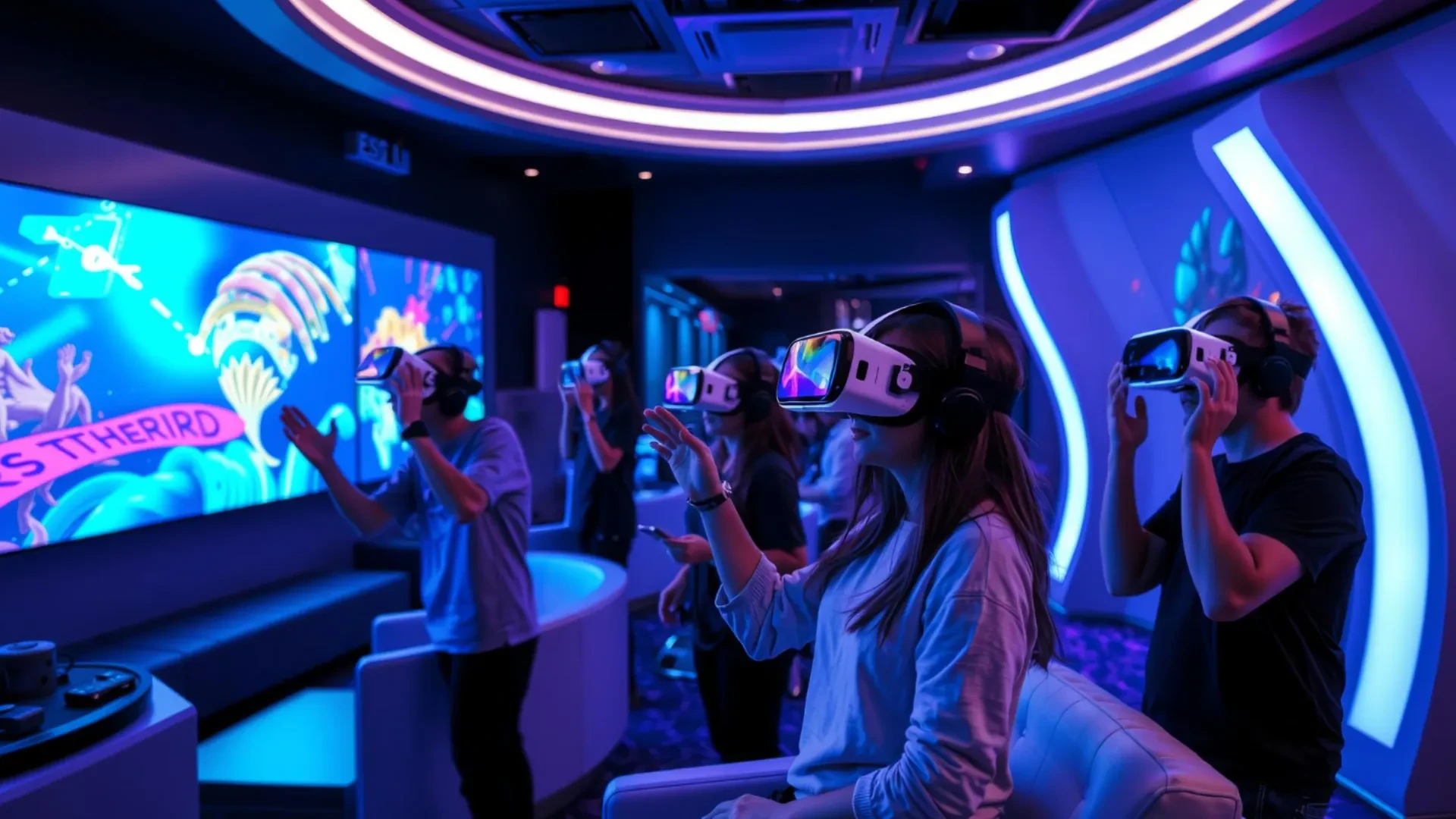
● Multiplayer VR experiences
● Projection based interactive games
● Motion tracking attractions
● Gamified obstacle and ninja courses
● RFID enabled scoring systems
● Digitally responsive play environments
A modern VR gaming zone now feels less like an arcade and more like stepping inside a playable world. Visitors are no longer passive participants. They become part of the environment itself.
Technology is also reshaping how operators think about longevity. Traditional attractions often remained unchanged for years, which made repeat visits difficult after the initial excitement faded. Today, attractions can evolve through software updates, seasonal overlays, refreshed game modes, and interactive storytelling layers. Similar to how video games constantly release new maps, features, or missions, entertainment spaces are now expected to stay dynamic over time.
This flexibility is especially important for large scale amusement parks in India, where operators are under constant pressure to maintain visitor interest while managing operational costs. Technology allows spaces to refresh experiences without rebuilding entire attractions from scratch.
Another major change is data driven planning. Operators can now study visitor movement, dwell time, activity popularity, and engagement behaviour to better understand how people interact within a venue. This is helping modern indoor gaming centers improve layout planning, attraction placement, and overall visitor flow.
What makes this transformation interesting is that technology is not replacing physical play. It is amplifying it. Climbing walls are becoming interactive. Trampoline parks are integrating digital scoring. Physical obstacle courses now include responsive lighting, sensors, and competitive gameplay mechanics.
The most successful family entertainment destinations today are not simply adding technology for visual appeal. They are using it to create spaces that feel immersive, social, and constantly evolving. In the process, entertainment centres are becoming far more than places people visit for an hour. They are becoming experiences people actively want to return to.